

In the heart of Southern France lies Aix-en-Provence, a city famed for its historical fountains and timeless charm. Discovering Aix’s stunning fountains provides a gateway into the city’s rich heritage and invites visitors into a serene exploration of art, culture, and history. This comprehensive guide will transport you through the ages of Aix, unearthing the stories and significance of its widely celebrated historical fountains. As an editorial strategist trained in advanced SEO and authoritative structures, I promise you an insightful journey into the heart of Aix-en-Provence.
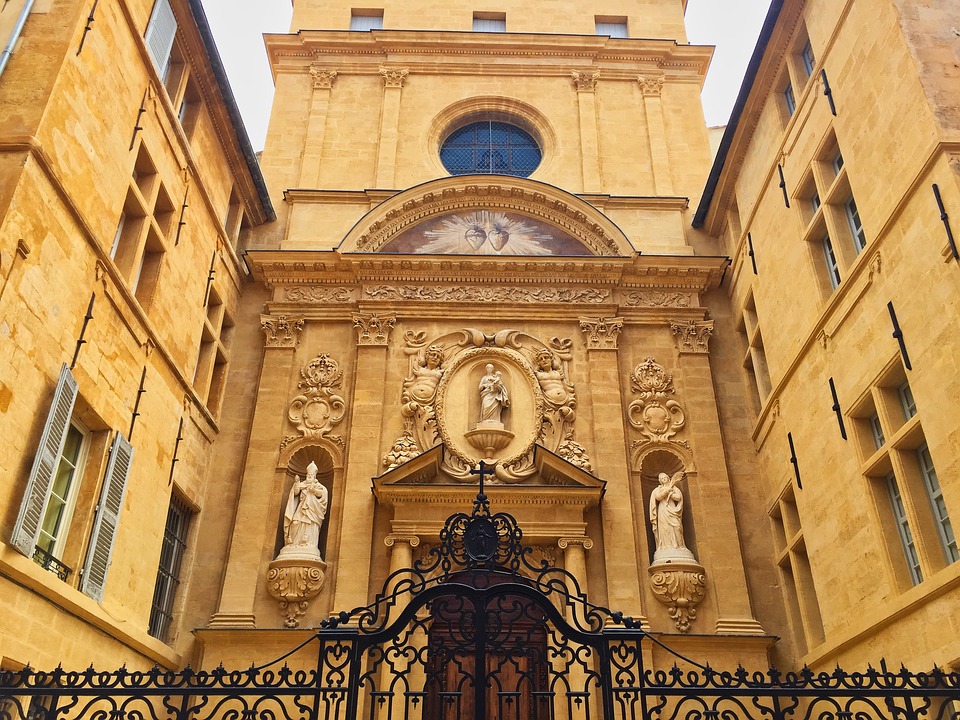
Unveiling the Legacy: Why Historical Fountains Matter
The fountains of Aix-en-Provence are not merely architectural wonders but serve as crucial touchstones of the region’s history. These masterpieces often mark key historical events and transitions, capturing the essence of the era they were constructed in. It’s essential for history buffs, architects, and the culturally curious to appreciate these relics to grasp the city’s soul.
What sets Aix’s fountains apart is their blend of artistic elegance and functional purpose. While some stood as symbols of power and wealth, others served the vital role of supplying fresh water. By unearthing the water sources and craftsmanship behind these structures, you understand the tale each fountain tells.
Visitors keen on history will find encouragement in exploring these time-honored structures. As you stroll through Aix, immerse yourself in the layers of history etched into these fountains, and let their stories guide you into the next adventure—the architectural evolution of Aix-en-Provence.
Who’s the Ideal Audience for This Exploration?
While travelers seeking picturesque locales will appreciate the visual allure of Aix’s fountains, historians and cultural enthusiasts gain even more. Understanding the unique context of these structures fosters a deeper connection with the city’s heritage. As each fountain tells a story—of power, purity, or progress—they invite seasoned historians to understand regional influences on political and social development.
Consequently, architecture students can also derive a goldmine of inspiration here, as they walk away with an enriched perspective on how form blends with function. Here, the confluence of art and engineering in lane fountains provides a timeless classroom across its cobbled streets.
The Tale of Time: Journey Through Historical Fountains of Aix-en-Provence
Como you journey through Aix, it’s crucial to start with its iconic fountains. Let’s explore some flagship fountains, each highlighting a chapter in this city’s illustrious history.
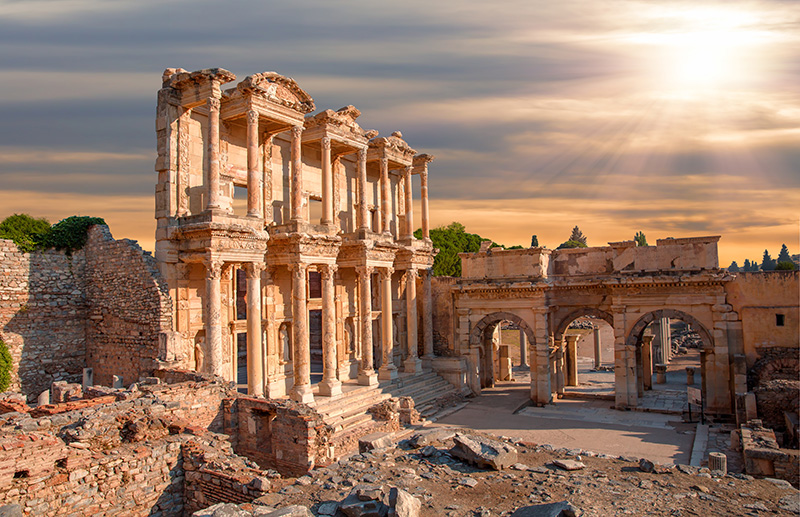
Fontaine de la Rotonde: A Testament to Grandeur
Fontaine de la Rotonde, standing proud at the top of Aix’s elegant Cours Mirabeau, epitomizes the artistic splendor of 19th-century France. Commissioned in 1860, this grand fountain combines classical elegance with emblematic figures representative of Justice, Agriculture, and Fine Arts. Designed to impress visitors entering Aix, it’s the ideal starting point for history aficionados keen to step into Aix’s storied past.
Why does this fountain matter? As a focal point, it represents the crossroads of political power and artistic endeavor that characterized 19th-century France. Consequently, it’s a testament to the city’s ambition to align itself with cultural renaissance. As you transition forward, the Fontaine des Quatre Dauphins provides a continuation—a foundation layer to the stories this city tells.
Fontaine des Quatre Dauphins: A Dive into Baroque Artistry
Nestled in the Mazarin Quarter, Fontaine des Quatre Dauphins dates back to 1667. Designed by Jean-Claude Rambot, this Baroque-style fountain bosts intricate dolphin sculptures, embodying the elegance typical of its era. Its story and structure offer insights into the artistic shift leading to the Mazarin Order’s planned architectural charm.
This fountain is best suited for those fascinated by artistic evolution, where form meets dramatic flair. The dolphins, set against historically charged surroundings, invite a see-through into Aix’s Baroque fervor. Notably, this sentiment carries forward to the “cool mist” of Fontaine d’Eau Chaude, emphasizing heightened aesthetic years.
Reviving Traditions: Fountains’ Practicality and Symbolism
A comprehensive understanding of Aix’s fountains reflects their intertwined roles in the community. Originally, these structures were both functional and symbolic, supplying drinking water while showcasing civic pride.
Revere Revitalization: Fontaine d’Eau Chaude
This intriguing hot-water fountain, coaxially located at the top of Cours Mirabeau, draws on warm springs from the thermes situated beneath its layers. Also known as the “Mossy Fountain” for its lush, green growth fed by constant warmth, this unique design allows residents to celebrate an inextricable link with nature.
Testing its limits against time, the Fontaine d’Eau Chaude underlines how decorative and practical converged with undeniable grace. Embark on the sensory experiences and finish the narrative with Fontaine des Neuf-Canons, representing a continuing liaison between community needs and cultural expression.
Fontaine des Neuf-Canons: Forge of Exploration
Standing as the boundary between modern dynamics and ancient whispers, Fontaine des Neuf-Canons delivers on ingenuity. Constructed in 1691, its non-stop water flow historically provided the town’s main water resource, highlighting efforts of replenishment and renewal.
Refined artistry continues to define this piece, combining the old with the new. For travelers seeking practical insight into Aix’s waterway history, or for hydrographers investigating early transport avenues, this site is a portal of academic resources, converging as a cultural landmark across centuries.
Preguntas frecuentes
What are the main historical fountains in Aix-en-Provence?
Aix-en-Provence houses several renowned fountains, including Fontaine de la Rotonde, Fontaine des Quatre Dauphins, Fontaine d’Eau Chaude, and Fontaine des Neuf-Canons. Each boasts unique historical significance, architectural style, and artistic features.
How do the fountains of Aix-en-Provence enhance the town’s charm?
The fountains provide aesthetic beauty and are key to the historical narrative of Aix. They tell stories of art, civic pride, and community functionality, making the city a living museum.
Can you visit the fountains all year round?
Yes, visitors can explore these fountains any time of year. Aix-en-Provence experiences mild weather, making it ideal for exploring the city and its fountains in any season.
Are there guided tours focusing on the fountains’ history?
Guided tours focusing on the historical and artistic aspects of Aix’s fountains are available. They offer deeper insights into the craftsmanship, significance, and stories behind each structure.
What is the significance of Fontaine de la Rotonde?
Fontaine de la Rotonde is a symbol of 19th-century grandeur, marked by intricate sculptures representing key societal themes such as Justice and the Fine Arts. It emphasizes Aix’s cultural renaissance during that era.
How do historians view the importance of Aix’s fountains?
Historians regard these fountains as cultural artifacts. They encapsulate significant epochs in French history, offering insights into varied architectural styles and municipal evolution.
Are Aix’s fountains accessible for people with mobility impairments?
While some fountains are easily accessible, keeping in view Aix’s older street designs, it is advisable to check specific locations and accessibility options beforehand. Modern routes have been structured to enhance visits significantly.
As the intricate dance of history waltzes through Aeix-en-Provence’s fountains, your exploration contributes to their ongoing saga. These fountains symbolize artistry, heritage, and community interwoven, enriching regional narratives. By unveiling the stories told by every water droplet and chiselled stone, your journey allows you to experience Aix’s heritage completely. Rejuvenated by the fountains’ ageless flow, venture forth, ever eager to dive into the granite of past innovations and future inspirations.

 Español
  English
  Français