

Discovering the hidden gems of Marseille’s vineyards
Marseille, a city known for its vibrant culture and beautiful coastal landscapes, is also home to a hidden gem: its vineyards. Nestled in the heart of Provence, Marseille and its surrounding region have a rich winemaking history dating back centuries. In this article, we will take you on a journey to explore the hidden gems of the Marseille vineyards, discovering the fascinating history, diversity of grape varieties, winemaking techniques and unique wine culture of the region.
In this article, we invite you to join us on a journey through the hidden gems of the Marseille vineyards. We will uncover the history, traditions and unique characteristics of these vineyards, and provide you with tips and recommendations to make your experience truly unforgettable.
So, grab a glass of your favourite wine, sit back and let’s dive into the world of the Marseille vineyards.
The history and heritage of the Marseille vineyard

When it comes to winemaking, Marseille has a history that goes back several centuries. The roots of viticulture in this region dates back to ancient times, when the Greeks and Romans settled there. These civilizations recognized the favorable climate and fertile soil of Marseille, which made it an ideal place for growing vines.
Over the years, Marseille has preserved its traditional winemaking methods, passing them down from generation to generation. These methods, combined with the influence of various cultures, have shaped the unique character of Marseille wines.
Discovering the terroir of the Marseille vineyard
To truly understand Marseille wines, one must explore the terroir—the combination of climate, soil, and geography that gives wines their distinct flavors. Marseille enjoys a Mediterranean climate, with warm summers and mild winters, creating an ideal environment for growing grapes.
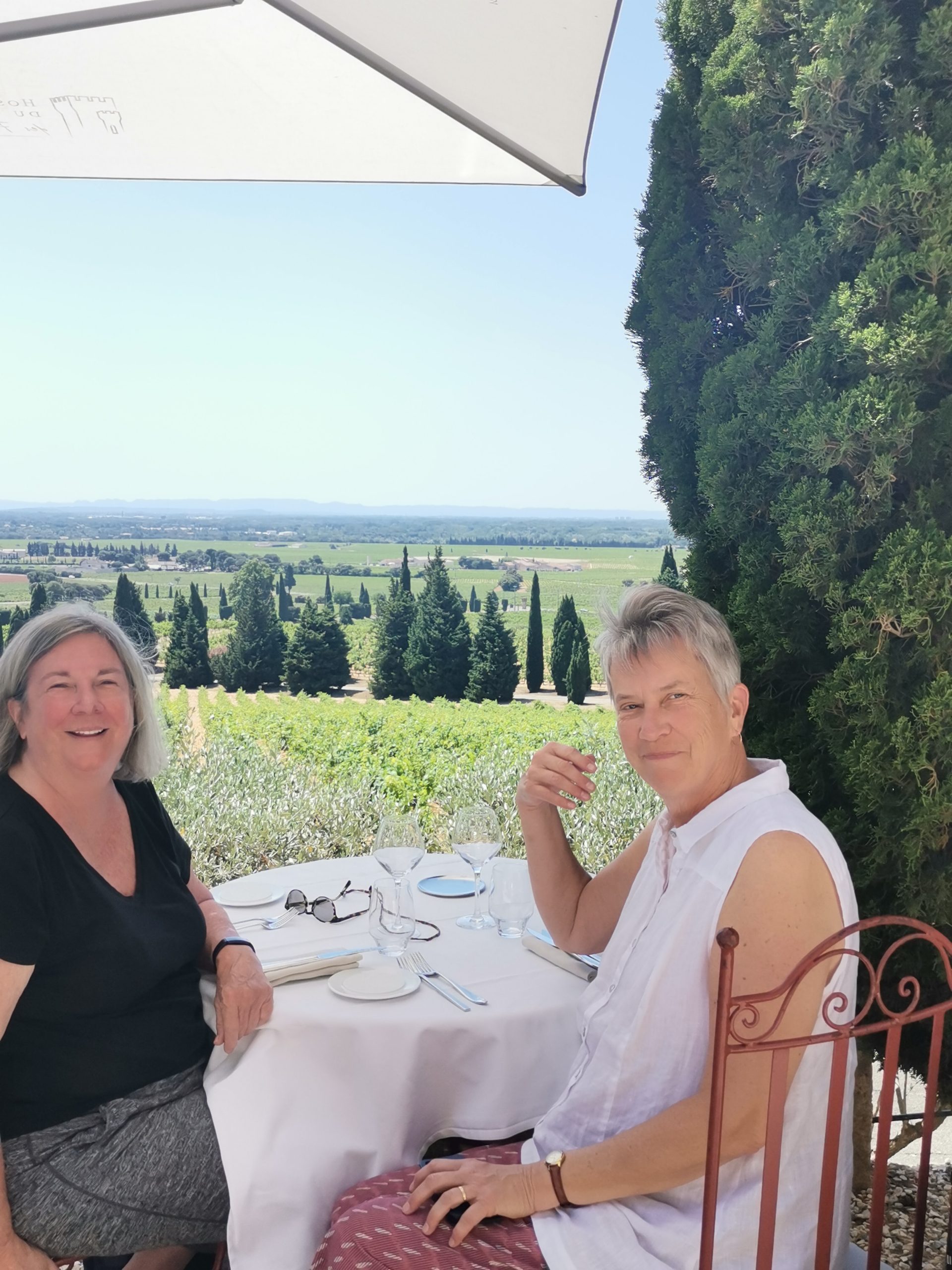
The proximity to the Mediterranean Sea also plays an important role in the winemaking process. The sea breeze, known as the Mistral, cools the vines and prevents disease, while the influence of the sea adds a touch of salinity and minerality to the grapes.
The Marseille vineyard has a variety of soil types, ranging from limestone and clay to gravel and shale. Each soil type contributes to the complexity and character of the wines produced in the region.
Discovering the grape varieties of the Marseille vineyard
In Marseille, you’ll find a delicious variety of grapes grown in the vineyards. The region is known for its white and red grape varieties, each offering its unique set of flavors and aromas.
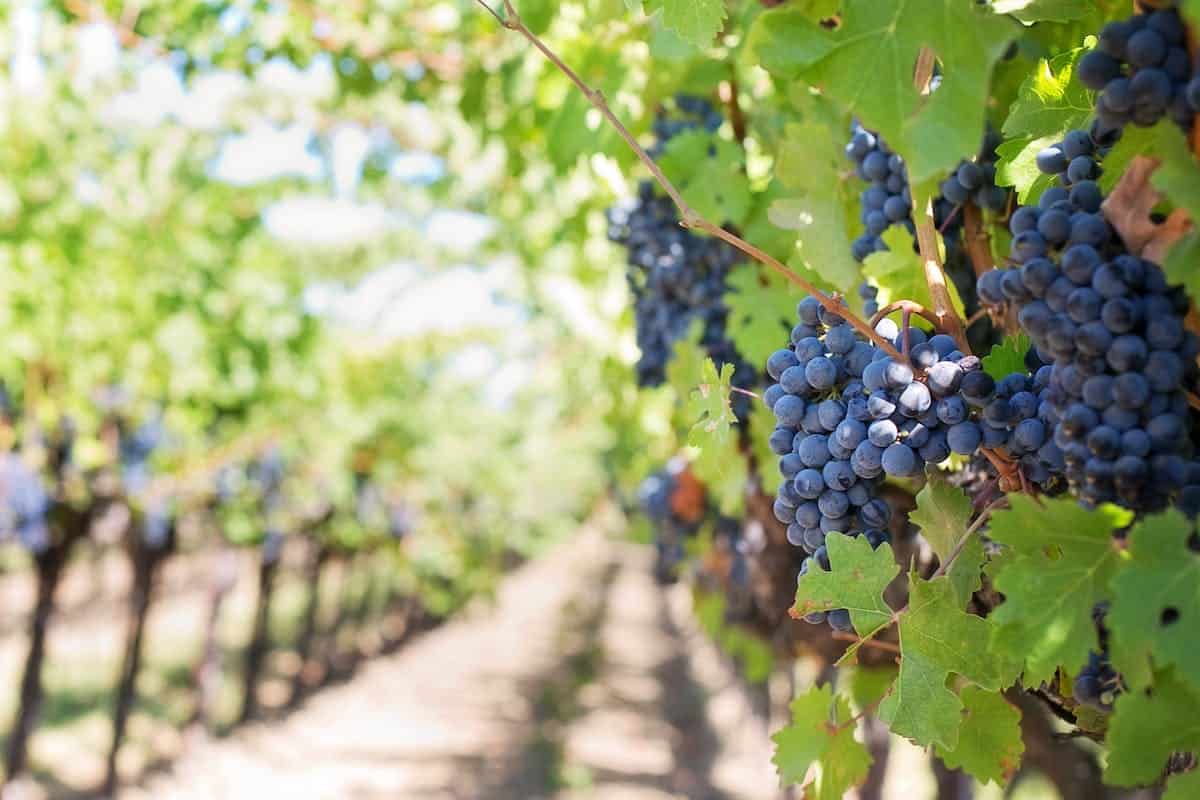
Among the white grapes, Marsanne, Roussanne, and Clairette reign supreme. These grapes contribute to the elegant and aromatic white wines that Marseille is famous for.
On the red side, Grenache, Mourvèdre, and Syrah take the spotlight. These grapes produce bold, robust red wines characterized by their deep colors and complex flavors.
The winemaking process in Marseille
Now that we’ve explored the basics of Marseille’s vineyards, let’s dive into the winemaking process itself. It all starts with the careful timing of the harvest. Marseille winemakers understand the importance of harvesting grapes at their peak ripeness, ensuring the best possible flavors for the wines.
Once harvested, the grapes are gently pressed and the juice is fermented. Marseille winemakers use a combination of traditional and modern winemaking techniques to bring out the best in the grapes. From stainless steel tanks to oak barrels, each method adds its own unique touch to the final product.
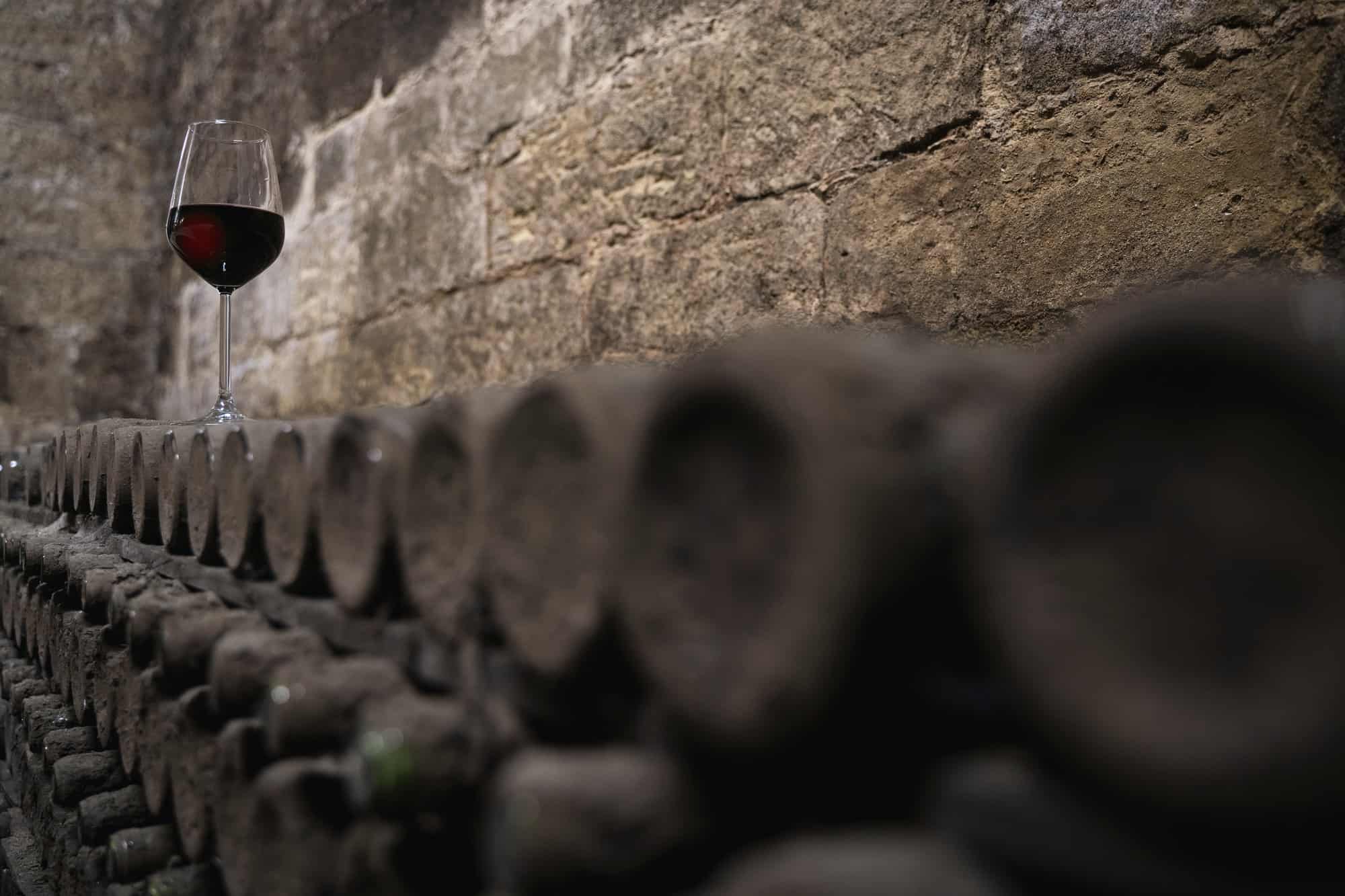
After fermentation, the wines are aged and stored, allowing them to develop their complexity and character. Marseille wines are known for their ability to age gracefully, revealing new layers of flavors and aromas over time.
Unveiling the wine culture and traditions of Marseille
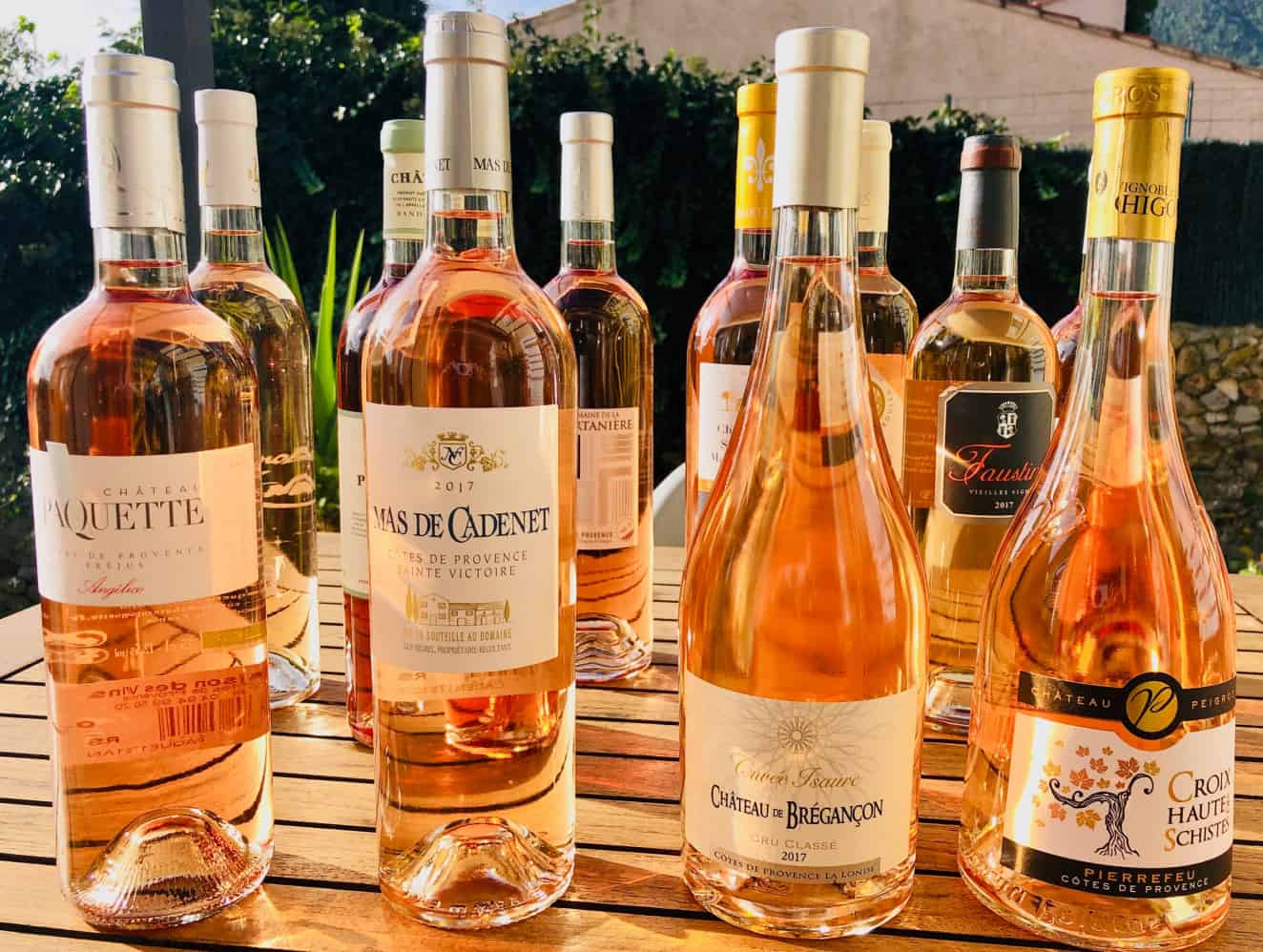
No exploration of Marseille’s vineyards would be complete without a glimpse of the vibrant wine culture and traditions that surround them.
Marseille hosts numerous wine festivals and events throughout the year, where locals and visitors alike gather to celebrate the art of winemaking.
When it comes to wine tasting in Marseille, there are certain etiquette and rituals to follow. From swirling the wine in your glass to savoring its aromas, discovering a Marseille wine is an immersive journey for the senses.
And let’s not forget the centuries-old tradition of food and wine pairings. The people of Marseille take great pride in pairing their wines with the perfect dishes, creating harmonious flavor combinations that elevate the culinary experience.
The must-see vineyards of Marseille
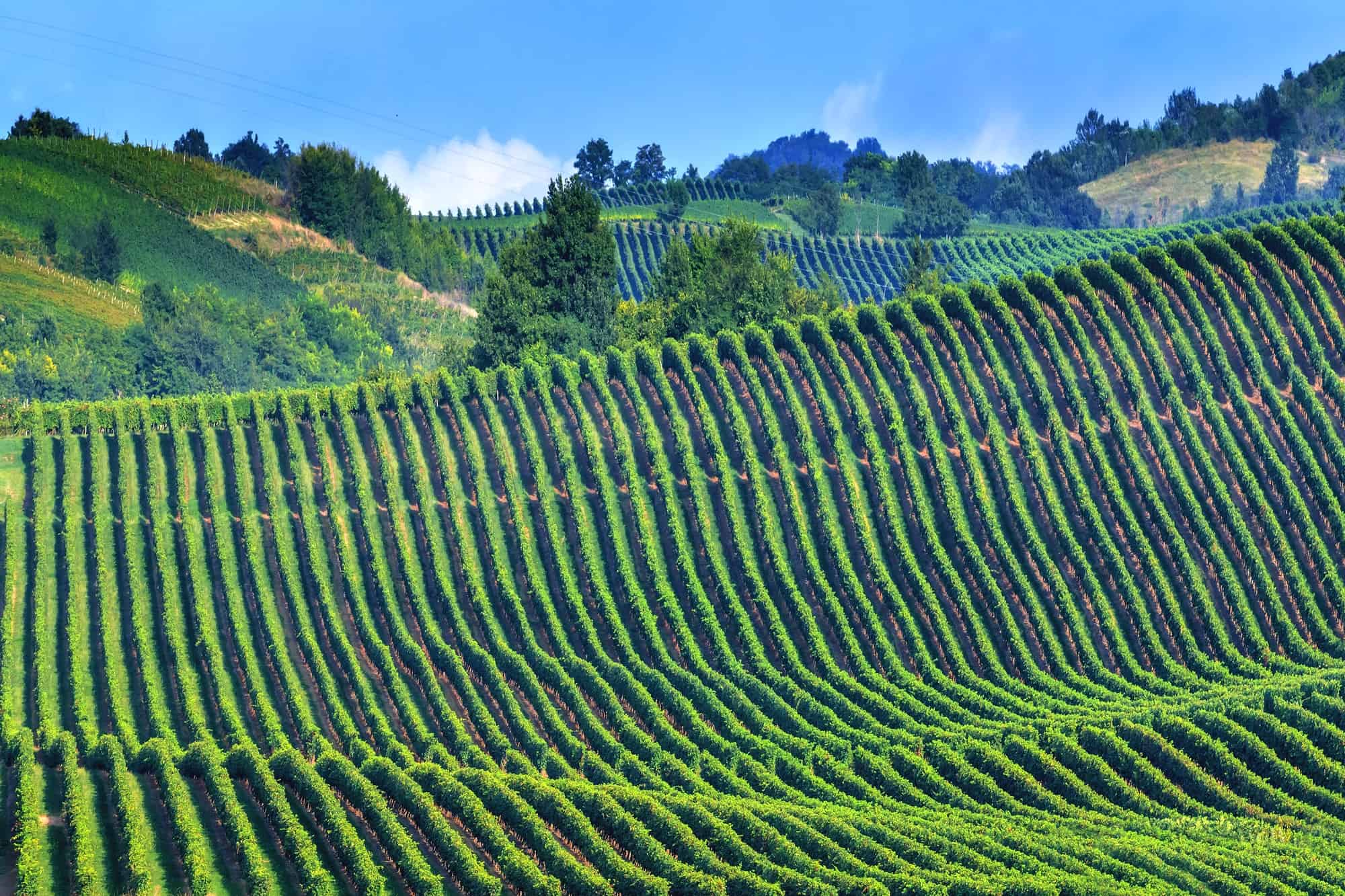
Now that you’re eager to embark on a Marseille wine tour, let us guide you to some of the region’s must-see wineries. Château Simone, a historic winery, is known for its renowned wines, especially its rosé.
Domaine Tempier is another gem, renowned for its exceptional Bandol wines that showcase the true essence of Marseille. And for those looking for organic wines in a picturesque setting, Domaine de Terrebrune is the perfect choice.
Tours and experiences of the Marseille vineyard
To make the most of your visit to the Marseille vineyards, we strongly recommend that you take part in visites guidées des vignobles and tastings. These tours offer a behind-the-scenes look at the winemaking process and allow you to interact with passionate winemakers who will share their knowledge and stories.

If you want to deepen your understanding of wine, consider participating in wine workshops and educational programs. These immersive experiences will teach you about different grape varieties, winemaking techniques, and the art of wine tasting.
For those looking for a more hands-on approach, Marseille offers wine-related activities and events that cater to every interest. From stomping grapes to blending your own wine, there’s something for everyone.
Sustainable and organic winemaking in Marseille
In the era of environmental awareness, Marseille vineyards are adopting sustainable and organic winemaking practices. Many wineries in the region are prioritizing environmentally friendly techniques, such as using organic fertilizers, integrated pest management, and implementing water conservation measures.
Biodynamic viticulture, a holistic approach to farming, is also gaining popularity in Marseille. This method focuses on creating a self-sustaining ecosystem in the vineyard, resulting in wines that truly reflect the terroir and the natural cycles of the environment.
By supporting local vineyards that prioritize sustainability, you not only contribute to the preservation of the environment, but you also have the opportunity to taste wines that are made with care and respect for nature.
Wine routes and picturesque landscapes of Marseille

Embarking on a wine tour of Marseille is a feast for the eyes and the mind. As you wind your way through the vineyards, you’ll be treated to breathtaking views of rolling hills, lush vineyards, and the sparkling Mediterranean Sea in the distance.
Be sure to take your time and explore the charming wine villages that dot the landscape. These quaint towns offer a glimpse into the local way of life, with their picturesque streets, cozy cafes, and of course, wine cellars to explore.
Tips for a memorable visit to the Marseille vineyards
To make your visit to the Marseille vineyard truly memorable, here are some tips to keep in mind:
- Plan your visit during harvest season for an immersive experience. Witnessing the grape harvest process and the excitement of harvest time adds an extra layer of authenticity to your visit.
- Book wine tours and tastings in advance. Marseille’s vineyards can get very busy, especially during peak tourist seasons. By booking your spot in advance, you can ensure a personalized and unforgettable experience.
- Talk to local winemakers to learn more about their craft. Don’t hesitate to ask questions and engage in conversations with the passionate people behind the wines. Their stories and insights will enrich your understanding and appreciation of Marseille’s winemaking traditions.
Bringing Marseille wines home
After immersing yourself in the world of Marseille’s vineyards, you may want to take home a taste of this enchanting region. Fortunately, there are many Marseille wines available for purchase, allowing you to savor the flavors and reminisce about your vineyard visit.
When purchasing Marseille wines, consider their aging and preservation potential. Some wines are meant to be enjoyed young, while others benefit from aging. Consult knowledgeable wine merchants or winemakers to ensure you choose the right wines for your preferences.
And remember, wine is best enjoyed in good company. Share your Marseille wine experiences with friends and family, introducing them to the hidden gems you discovered during your vineyard tour.
Marseille Wine Tour: A Perfect Blend of History, Culture and Wine
Embarking on a Marseille vineyard tour is like stepping into a time capsule, where history, culture and wine intertwine. From the ancient roots of winemaking to today’s vibrant wine culture, Marseille vineyards offer a captivating journey for wine lovers and curious travelers.
Delve into Marseille’s rich wine heritage, savor the unique flavors and aromas of the wines, and create lasting memories as you explore the hidden gems of the region’s vineyards.
So, raise a glass to the Marseille vineyard and let the adventure unfold.
FAQ :
Q1: What is the history of viticulture in Marseille?
A1: Marseille has a rich viticultural history that dates back to ancient times. The Greeks and Romans settled in the region and recognized its favorable climate and fertile soil for growing vines.
Q2: What are the must-see vineyards in Marseille?
A2: Château Simone, Domaine Tempier and Domaine de Terrebrune are among the must-see vineyards in Marseille. Each offers a unique experience and produces exceptional wines.
Q3: How can I make the most of my visit to the Marseille vineyards?
A3: To make the most of your visit to the Marseille vineyards, we recommend that you take part in guided tours.
Here are some additional details I can provide on the vineyards and wine experiences mentioned in the blog post:
Cadenière Estate:
- Small family estate located at the gates of Cassis
- 10 hectares of vineyards mainly planted with Syrah, Grenache and Mourvèdre
- Visits (€10 per person) available from May to September, lasting 1 to 2 hours
- Pairings include tapenades, charcuterie and cheeses from local producers.
Chateau Simone:
- Over 100 hectares of vineyards above the seaside village of Cassis
- Pioneers of biodynamic vineyard management
- Experienced guides lead informative tours of cellars and vineyards (€15 per person)
- Tastings of library vintages in a historic room with sea views
- Also offer cooking classes using ingredients from their vegetable gardens
Wine tasting techniques :
- It is recommended to start with color and assess clarity, viscosity, and depth.
- Smell primary, secondary, and tertiary aromas like red fruits, spices, and flowers.
- Taste best in small sips, focusing on flavors, body, texture, and finish.
- Spitting is encouraged to fully appreciate many wines
Vine and Wine Festival:
- 3-day festival in early July in the cove-lined vineyards of Cassis
- Live music, local food stalls and over 50 wine producers tasting samples
- A great way to interact with winemakers and discover lesser-known estates
vineyards near Marseille
Here are some other wineries near Marseille that offer memorable experiences:
- Domaine Château Jouveau in Cassis offers scenic hikes through its 100 hectares of vineyards followed by “picnic in the vineyard” experiences. Guests can book a gourmet spread from a local caterer to enjoy alongside Mediterranean vistas.
- At Domaine Mabileau, a family-run organic business in Les Baux de Provence, visitors can arrange private tasting sessions and multi-course lunches paired with older vintages. The picturesque location in the Alpilles hills adds to its appeal.
- For those seeking an active exploration paired with wine, Domaine Henry in La Ciotat hosts monthly geocaching adventures through the vineyards. Participants attempt to locate hidden “stamp boxes” using clues while the sommelier shares insights about the vineyard.
- Domaine de Valdaine in Saint Rémy de Provence offers a unique vinotherapy program that combines guided meditation in the vineyards with a soothing tasting led by their in-house naturopath.
- Le Caveau des Vignerons on Bendor Island, a 15-minute ferry ride from Cassis, celebrates the maritime island’s unique terroir with open-air fish festivals and sunset tastings in a stunning Mediterranean setting.
Conclusion: embark on a journey through the Marseille vineyards
As we conclude this exploration of the Marseille vineyards, it is evident that the region offers a rich tapestry of history, culture, and wine. From its ancient winemaking heritage to the diversity of grape varieties and unique terroir, the Marseille vineyards have much to offer wine lovers and curious travelers alike.
A visit to the Marseille vineyards gives you the opportunity to immerse yourself in the captivating world of viticulture. From guided tours and tastings to wine workshops and educational programs, there are countless ways to engage with winemakers and gain a deeper understanding of their craft.
As you explore the Marseille vineyards, don’t forget to savor the local gastronomy and indulge in the art of food and wine pairing. Marseille’s wine culture is deeply tied to its culinary traditions, and the flavors of the region’s wines are beautifully complemented by the local cuisine.
Whether you choose to visit renowned vineyards like Château Simone and Domaine Tempier or discover hidden gems along the wine routes, a visit to the Marseille vineyards promises to be a memorable experience. The breathtaking landscapes, charming wine villages and warm hospitality of the winemakers will leave an indelible impression on your trip.
So pack your bags, embark on a journey through the Marseille vineyards and let the flavors, aromas and stories of the wines captivate your senses. From the first sip to the last, you will discover the true essence of the Marseille vineyards, where history, culture and wine converge in perfect harmony.

 English
  Français
  Español